What is an accessibility statement?
Digital accessibility is becoming an increasingly important part for companies. And this includes an accessibility statement, but what exactly is this and why do you need it?
Digital accessibility is becoming an increasingly important part for companies. And this includes an accessibility statement, but what exactly is this and why do you need it? At Xuntos, we help companies not only comply with this obligation, but also use digital accessibility as an opportunity to reach more customers and make a positive impact. In this blog, we'll tell you all about the accessibility statement, why it's important and how to create one yourself.
What is an accessibility statement?
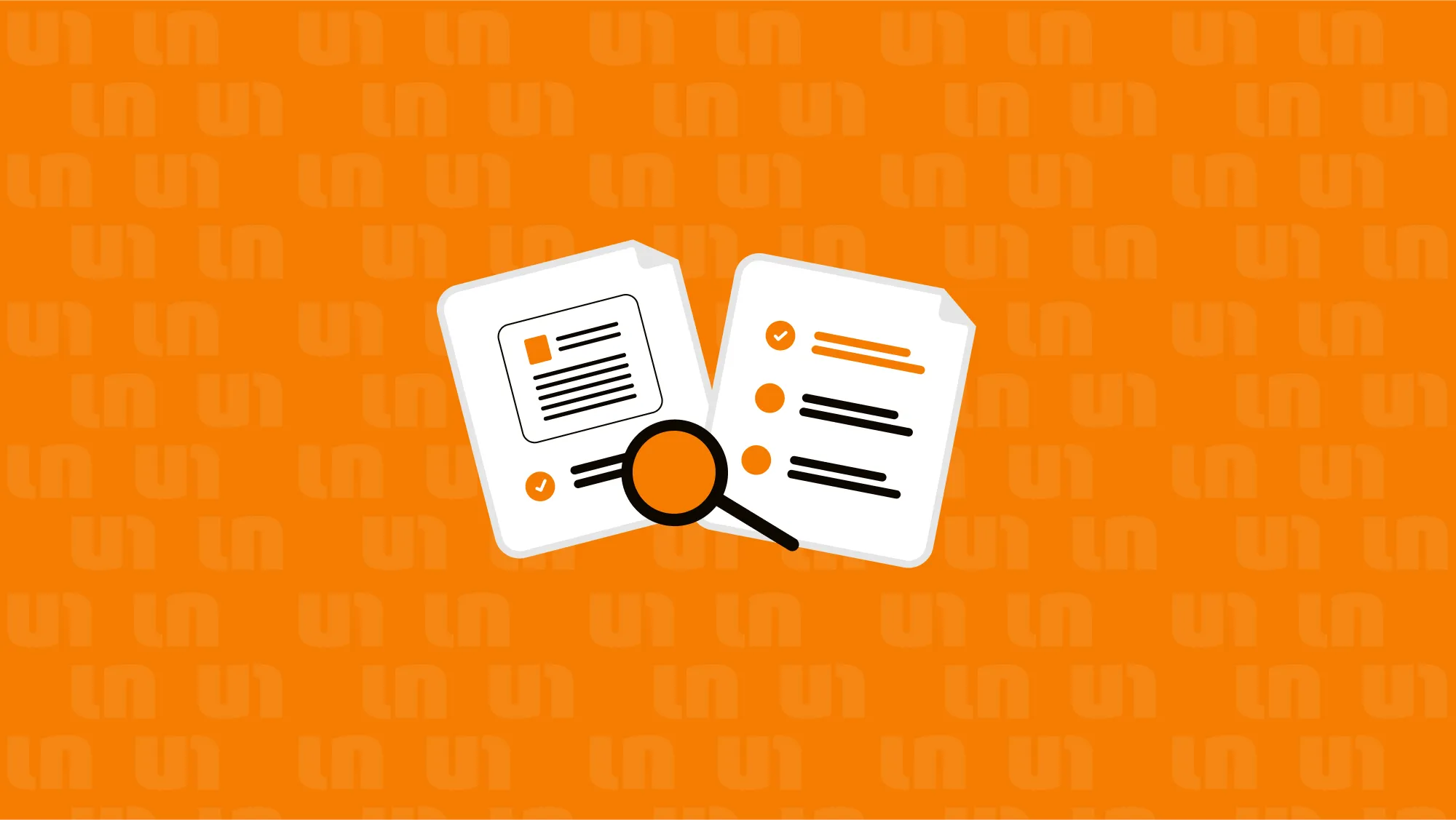
An accessibility statement is a document in which companies explain to what extent their website or app complies with the guidelines for digital accessibility. In other words, it is a document that shows how accessible a website or app is. The document contains information about the level of accessibility, areas for improvement and the steps taken to make the digital environment better for as many people as possible.
What is the goal?
The main purpose of an accessibility statement is transparency. It shows that, as an organization, you take the accessibility of your digital products seriously and do not exclude users with disabilities. Users can also provide feedback if they miss something in your accessibility statement, so you can improve the website or app again.
What does an accessibility statement say?
An accessibility statement states the following:
- Accessibility status: Is your website fully, partially, or inaccessible?
- Action plan: What improvements are you making and within what timeframe?
- Substantiation: How did you test accessibility?
- Contact information: A way for users to report issues.
Why is an accessibility statement important?
1. Comply with legal obligations
With the introduction of the European Accessibility Act (EAA), digital accessibility will become mandatory for companies in the EU from 28 June 2025. This applies not only to government agencies, but also to companies in sectors such as e-commerce, banking and telecom. Without an accessible website and an accessibility statement, you risk fines and reputational damage.
2. Trust and transparency
An accessibility statement shows that your organization takes responsibility. By communicating openly about what you have already achieved and what you are going to improve, you increase the trust of users and customers.
3. Wider reach and better user experience
An accessible website attracts a wider audience, including people with disabilities. By improving accessibility and communicating this in a statement, you ensure an inclusive digital experience that benefits everyone.
4. Positive image and social impact
Accessibility contributes to corporate social responsibility (CSR). With an accessibility statement, you show that your organization attaches great importance to inclusivity, which both customers and partners find valuable.
How do you draft an accessibility statement?
Drafting an accessibility statement may seem complicated, but once you know what to do, it's actually not that bad. Here are the key steps:
1. Run an accessibility test
Start with an analysis of your website or app. Use tools like an accessibility scan and have your site reviewed by experts. At Xuntos, we carry out extensive accessibility checks and identify all areas for improvement.
2. Control the status of your website
Indicate how much your website complies with the Web Content Accessibility Guidelines (WCAG). These guidelines are the international standard for digital accessibility.
- Fully accessible: The website complies with all guidelines.
- Partially accessible: Some parts are accessible, but there are areas for improvement.
- Not accessible: The website does not comply with the guidelines, and improvements are needed.
3. Write an action plan
Describe the steps you'll take to improve accessibility, including a timeline. This shows that you are actively working on inclusivity.
4. Publish and maintain the statement
Once the accessibility statement is ready, place it in a visible location on your website, for example via a link in the footer. Keep the statement up to date and update it regularly based on new tests and improvements.
Common accessibility statement errors
The most common mistakes when making an accessibility statement are:
- Lack of action: Only a statement without concrete improvements does nothing for users.
- Incomplete information: Failure to mention test results or action plans makes the statement less credible.
- Outdated statements: A statement must remain current to be relevant.
At Xuntos, we ensure that your statement is complete, accurate and future-proof.
How can Xuntos help?
An accessibility statement is more than an obligation; it is an opportunity to profile your organization as an inclusive and progressive party. At Xuntos, we offer:
- Accessibility checks: In-depth analyses of your website or app.
- Assistance with improvements: Technical, visual and content adjustments to make your digital environment accessible.
- Help with preparing the statement: Together, we will ensure that your accessibility statement meets all requirements and makes a positive impact.
Start with your accessibility statement today
Do you want your digital accessibility improve and draw up a professional accessibility statement? Please contact Xuntos. Our specialists help you every step of the way, from analysis to implementation, so that your website not only complies with the law, but also serves a wider audience.
Did you find this blog about digital accessibility interesting? We've written more blogs about this topic. Read them here:

Heb je vragen? Of wil je samen sparren?
We denken graag met je mee hoe jouw organisatie digitaal kan versnellen. Of het nu gaat om een UX, technische uitdaging of AI oplossingen. Stuur een berichtje en we nemen zsm contact met je op.
Verder lezen
Nieuwsgierig? Lees onze andere inzichten over webontwikkeling, AI, toegankelijkheid en digitale strategie


.jpg)