What is a headless CMS?
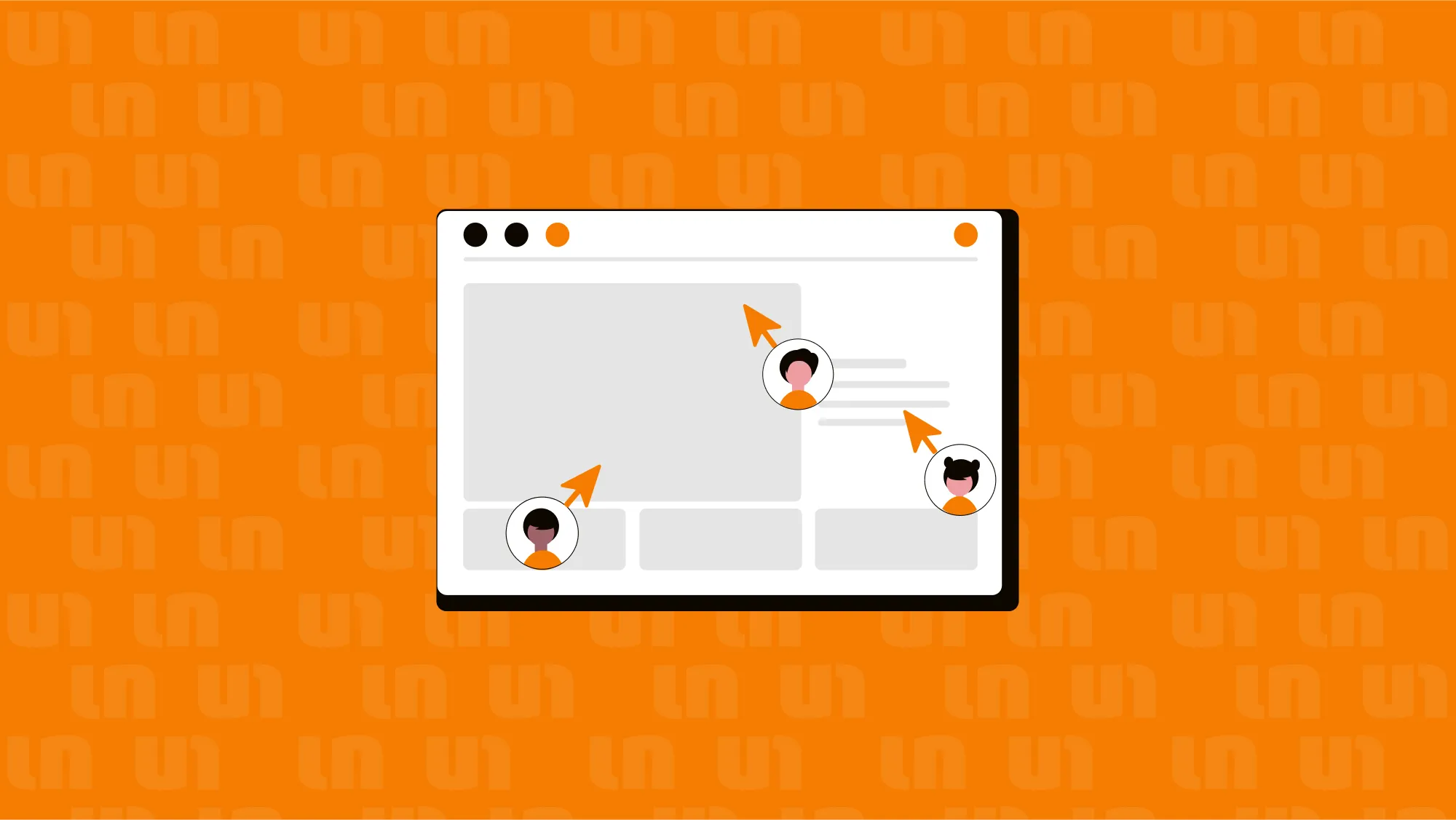
A headless CMS is a content management system without a “head”. The backend (body) and frontend (head) are separate. In a headless CMS, it is only possible to manage code and content and not to present it. But a headless CMS (the body) can be linked to multiple devices (the heads) where content can be presented, such as desktops, smartphones, smartwatches, tablets, apps and much more. This connection is done via an API. So you can see a headless CMS as a body with multiple heads.
A bit of history
In a traditional CMS, you have a body and a head that are connected to each other. The body is the backend or “back” of a website. This is where all the website code is written and the content is created. The head is the front end or “front” of the website, the presentation layer that visitors see when they visit the website. The body and head are interconnected and linked, so when you create or edit content in the backend (body) - you see the result in the front end (head).
Previously, in the early days of the Internet, it was only possible to “browse the Internet” via a browser on a desktop computer. This made a direct link between backend and frontend perfect for traditional websites. But nowadays, we have countless screens and devices, so content has to be presented in different ways.
Headless architecture
For this reason, the “headless architecture” was developed. With a headless CMS architecture, developers are much more flexible when it comes to applying to different devices.
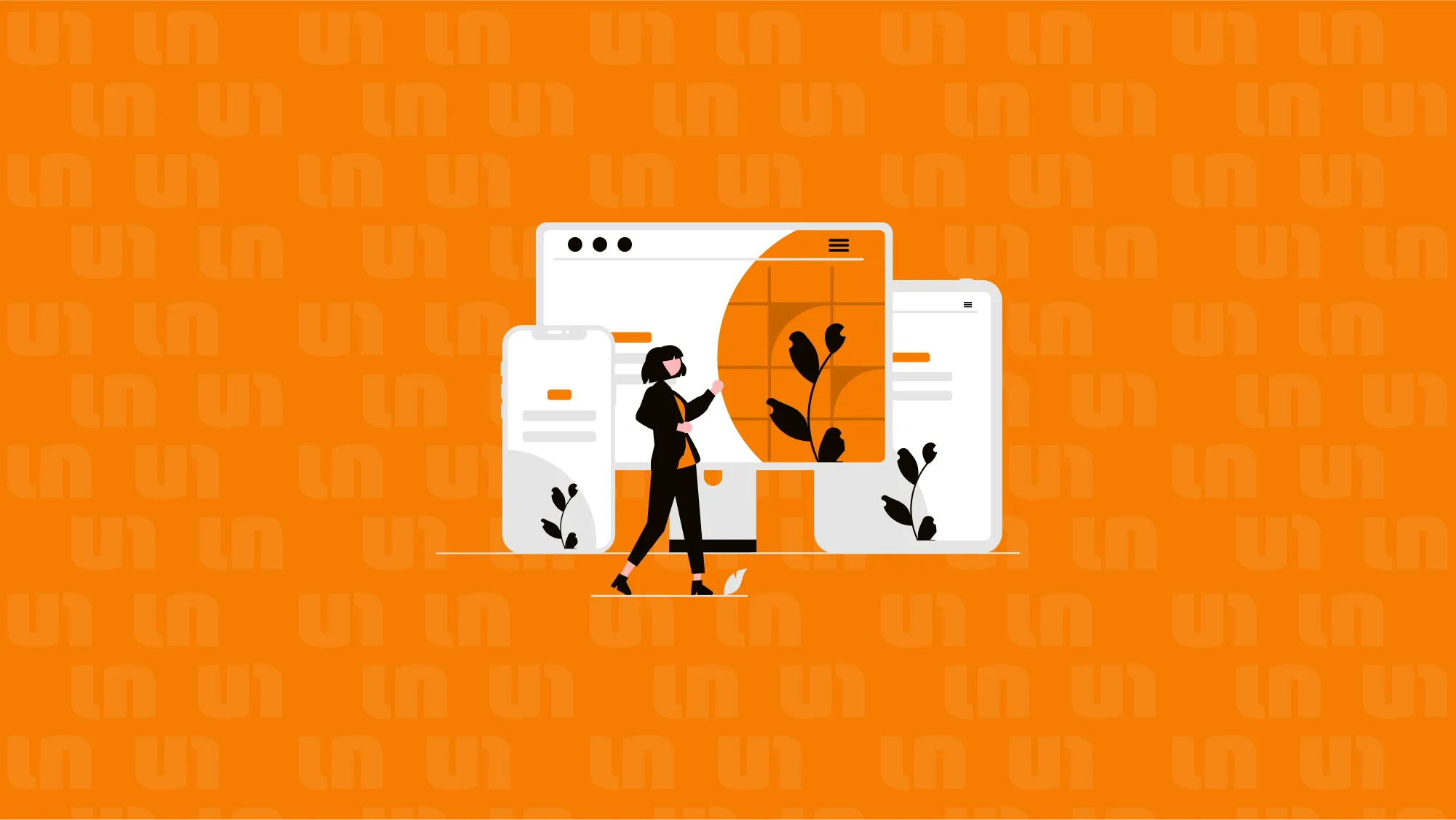
The headless architecture ensures that there is one body that can be linked to multiple heads. So you only have to fill (the body) content in one place and that is then presented in the head. And the “head” is therefore a front-end presentation layer, such as a website on desktop or smartphones, but also apps on smartwatches and tablets or even complete intranets or POS systems. The possibilities are endless.
How does a headless CMS work?
A headless CMS is fully backend and serves as a content repository that is built from scratch. You fill this content repository with all content. Because the headless CMS does not have a frontend, the content created will simply wait in the backend until it is linked to one or more heads. So if you don't connect a head to display the content, it won't be visible anywhere.
Linking the body to a head is done via a RESTful API or by using GraphQL, where the content is made accessible from the headless CMS. To access the content, a head must call the API so that the content can be displayed on the specified device. This means that the created content is not visible until API calls are made by a head
When do you need a headless CMS?
A headless CMS is therefore particularly useful if you want to present content to multiple of these heads. If you only have one head, a traditional CMS with one body and one head is a better option for you. A headless CMS is therefore no better than a traditional CMS and vice versa. It depends on your situation and wishes which solution suits you best.
The benefits of a headless CMS
1 - Managing content in 1 platform
One of the most important benefits of a headless CMS is that you can build all your content on one platform and have it ready to be connected to any device. That means you can focus on creating quality content that's immediately available on all devices. If you need to update your content, you no longer have to worry about updating it in different places. With a headless CMS, all you have to do is update it once and hit publish - then it'll be updated everywhere.
2 - Flexibility
With a headless CMS, frontend developers can build heads for different devices and link them all to the same body - without worrying about compatibility issues between devices or systems. Often, the only requirement for a frontend is that it supports HTTPS. This also means that the body and head do not have to use the same platform or language and that there are no strict CMS restrictions that the front-end developer has to worry about. This makes the developers super flexible.
3 - No language problems
If your backend developers prefer to use one language for the body and your front-end developers prefer to use another language for the head, they can easily do that with a headless CMS. This also means that your content is displayed the way your front-end developers want it on everything from websites and apps to billboards and smartwatches - and you can be sure that content is the same across platforms, because all content is created in the same CMS.
4 Future-proof
Technological developments are happening very fast and with a headless CMS, you are ready for the future. You have one environment with all your content and you can always expand the number of heads. By going headless, you can focus on creating great content for your users and your developers can make the content perfectly compatible with all platforms. That's why headless technology is built for omnichannel, where one update of content is published directly on all your devices and displays.
Are a Headless CMS and a Decoupled CMS the same thing?
Headless has clear differences with a traditional CMS, but is often compared to decoupled CMS (sometimes referred to as Decoupled Architecture). This is not without reason, as a Decoupled CMS is closely related to a headless CMS because they share the same head independence.
While the basic principles behind the two are the same - a single instance that communicates with one or more heads via an API - there is one important difference between the two. Where a headless CMS is completely headless, a decoupled CMS is a hybrid of a headless and a traditional CMS.
Hint! Want to know more? Read all about a decoupled CMS in our blog What is a decoupled CMS!
Is a headless CMS safe?
Security is one of the most important concerns for a CMS. Although it can vary greatly at the individual level, the headless architecture generally makes a headless CMS more secure than a normal CMS.
This is because the backend and frontend are not linked. In fact, this means that any security errors in the frontend code do not result in a security breach of the backend application. These are separated by an API and are often hosted on two different servers. So even if the code at the front end has flaws, only the API will be exposed. And because it's usually read-only, no one will be able to create, edit, or delete content from the headless CMS.
In addition, a headless CMS also has a lot of flexibility and options to increase security if you need it. Because the backend and frontend are separate applications, you can choose to place layers of security between them.
Can a headless CMS be open source?
Like other content management systems, a headless CMS can be either open source or managed. This means that you have a lot of flexibility when choosing a new headless CMS. If you're looking for complete control and have the means to maintain everything yourself, you can opt for an open source headless CMS. This gives you a lot of flexibility to customize your solution the way you want, but often requires additional resources to maintain and develop it. This is perfect for smaller sites, where you want the performance boost of headless, or if you have the right tools and settings to maintain it yourself.
If you're looking for a managed solution that always keeps the extra codebase up to date, you can opt for a managed headless CMS. The features and benefits you can get vary widely, but some of the most important features you're likely to get include a managed API, a Content Delivery Network (CDN), and hosting for your content. This is perfect for more complex sites or situations where you'd rather spend your resources on other things than maintaining another codebase.
Hint! Read our blog Which is the best open source CMS?
What's the best headless CMS?
It depends on everyone's wishes and situation which headless CMS is best. There is no one-size-fits-all. We work exclusively with Umbraco and specialize in the traditional Umbraco CMS as in Umbraco's headless CMS: Umbraco Heartcore. Are you curious about the possibilities of the Umbraco Heartcore headless CMS for your situation? We can help you with the following services:
Get to know Xuntos
If Umbraco Gold Partner Xuntos specializes in Umbraco and we can help you with all your (technical) questions about the system. You'll find us Umbraco desk in The Hague in the Caballerofabriek. Would you like to know more about the possibilities of a headless CMS for your situation? Contact us!

Heb je vragen? Of wil je samen sparren?
We denken graag met je mee hoe jouw organisatie digitaal kan versnellen. Of het nu gaat om een UX, technische uitdaging of AI oplossingen. Stuur een berichtje en we nemen zsm contact met je op.
Verder lezen
Nieuwsgierig? Lees onze andere inzichten over webontwikkeling, AI, toegankelijkheid en digitale strategie


.jpg)