10 tips for digital accessibility
More and more companies are recognizing the importance of a digitally accessible website. Not only because of the legal obligations under the WCAG (Web Content Accessibility Guidelines) guidelines, but also because an accessible website improves usability for all visitors. This includes people with a visual, hearing or motor disability, but also users with a slow internet connection or who use mobile devices.
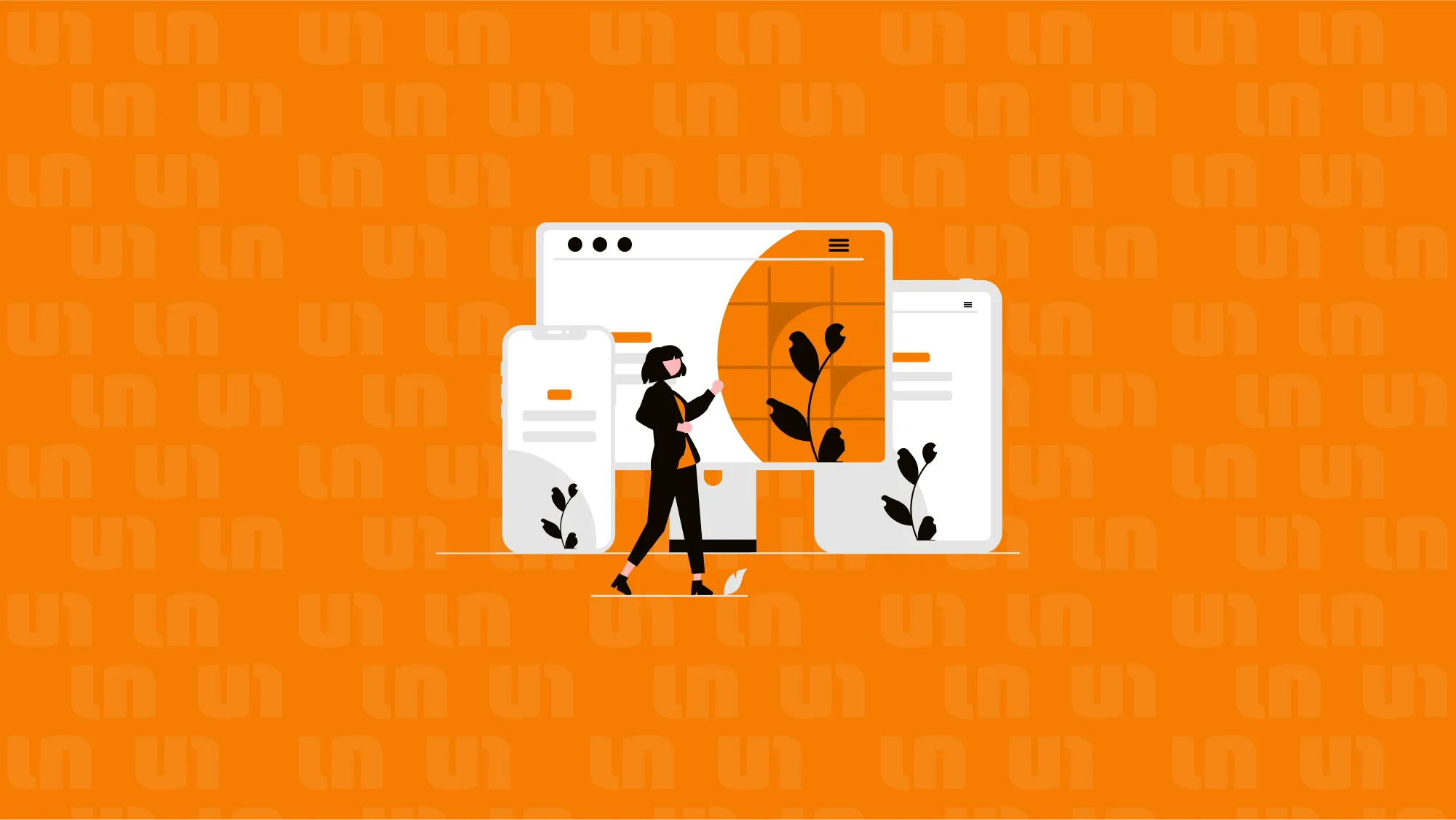
Digital accessibility is no longer a nice-to-have: it's a must for organizations that take their online presence seriously. In this blog, we provide 10 practical tips for improving the digital accessibility of your website, whether you're building a new website or optimizing your current site.
What is digital accessibility?
Digital accessibility means that all users, regardless of their functional limitations, can use and understand your website. This involves a clear structure, clear content, smart technology and compatibility with assistive technologies, such as screen readers. Within the laws and regulations, especially for (semi-) governments, it is mandatory to comply with WCAG 2.1 AA standards. But commercial companies also benefit from accessible websites through greater reach, higher customer satisfaction and better SEO results.
10 tips for an accessible website
1. Use semantic HTML
A good HTML structure forms the basis of an accessible site. <article><footer>Use semantic HTML elements such as<header>,, <main><nav>, and. This helps screen readers interpret content correctly and allows search engines and users to better navigate through the site.
2. Ensure sufficient color contrast
One of the most common accessibility issues is insufficient contrast. Texts that stand out too little against the background are difficult to read for people with visual disabilities. Use tools such as the WCAG Contrast Checker to verify that color contrast meets AA or AAA standards.
3. Describe images with alt texts
Images are valuable to your content, but they also need to be understandable to people who use a screen reader. That's why you should always add meaningful alt texts to images. Avoid generic descriptions such as "foto1.jpg" or “decorative image”.
4. Make navigation logical and predictable
An accessible website has a clear structure and logical navigation. Work with bread crumbs, consistent menus, and clear calls to actions. For users with motor disabilities, a clear structure is essential to quickly find the right information.
5. Make sure that the website is fully keyboard accessible
Many people navigate websites without a mouse, for example using a keyboard or a braille display. Make sure that all functionalities are easily accessible with keyboard navigation, such as forms, buttons, menus and interactive elements.
6. Use clear link texts
“Click here” or “read more” mean little on their own. Use unique descriptive link texts, such as “Check out our services for accessible websites” or”More about Umbraco development”. This not only improves accessibility for screen reader users, but also your keyword optimization.
7. Structure your content with headlines (H1-H6)
Use headings in logical order and don't skip levels. A correct heading structure ensures that visitors (and search engines) can quickly scan the content. For users of assistive technology, this makes the content clearer and easier to search.
8. Use accessible forms
Forms are often a bottleneck in the user experience. Label all input fields clearly, specify error messages properly (in text, not just color), and provide instructions if necessary. Avoid complexities such as CAPTCHAs unless you provide them in an accessible way.
9. Test with real users and tools
Automatic tools provide a good first indication of accessibility issues, but the best feedback comes from real users. Involve people with various disabilities in your testing process and use tools such as Axe, Lighthouse, or the WCAG Quickref.
10. Choose a CMS that supports accessibility
A good content management system makes it easier to maintain an accessible website. If Umbraco Platinum Partner at Xuntos, we work daily with the Umbraco, which provides comprehensive support for creating accessible content. It Umbraco CMS makes it easy to apply semantic HTML, add alternative texts, and use consistent templates.
Umbraco and digital accessibility
Umbraco is not only user-friendly for editors, but also offers a lot of flexibility to build fully accessible websites. Whether you're a new Umbraco website want to have it developed, expand your existing platform with API links or you need custom applications, accessibility can be included from the basics. As an experienced Umbraco desk we ensure that technical quality and user-friendliness go hand in hand.
Accessibility as standard
Improving the digital accessibility of your website is not a one-off project, but an ongoing process. By including accessibility in design, content and technology from the start, you are building a more sustainable and inclusive digital platform. Whether it's a public portal, an internal intranet, or a company website, accessibility should be a standard part of your digital strategy.
Need help?
Xuntos can help you with this. As an Umbraco specialist with extensive experience in building accessible customized solutions, we are happy to think along with you about the most appropriate approach for your organization. Contact us for an informal consultation or a technical review of your current platform.

Heb je vragen? Of wil je samen sparren?
We denken graag met je mee hoe jouw organisatie digitaal kan versnellen. Of het nu gaat om een UX, technische uitdaging of AI oplossingen. Stuur een berichtje en we nemen zsm contact met je op.
Verder lezen
Nieuwsgierig? Lees onze andere inzichten over webontwikkeling, AI, toegankelijkheid en digitale strategie


.jpg)